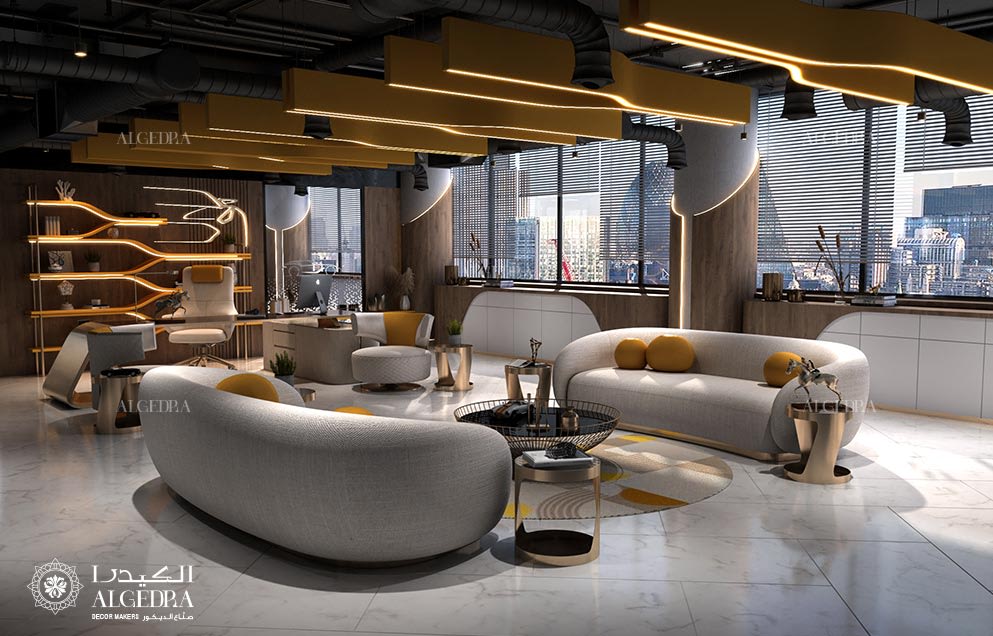
In the ever-evolving world of home and commercial spaces, Renovation Project Interior design has emerged as a crucial element in redefining the way people experience their environments. A renovation project goes beyond mere cosmetic changes; it is a comprehensive approach to improving functionality, aesthetics, and overall spatial harmony. Interior design plays an integral role in this process, ensuring that every modification, from structural adjustments to furniture selection, enhances both the beauty and usability of a space.
A well-planned renovation project begins with a clear vision 裝修. Homeowners and business owners often have specific goals, such as increasing comfort, modernizing outdated elements, optimizing space, or improving energy efficiency. Interior designers collaborate closely with clients to translate these aspirations into practical designs. By combining artistic sensibilities with technical knowledge, designers create a cohesive plan that addresses layout, color schemes, lighting, materials, and furniture placement, ensuring a harmonious final result.
Functionality is a cornerstone of renovation project interior design. A space may appear attractive, but if it does not serve the daily needs of its users, the renovation is incomplete. Interior designers carefully evaluate traffic flow, accessibility, and ergonomic considerations, creating layouts that enhance convenience and efficiency. For example, kitchen renovations often focus on optimizing work triangles and storage solutions, while office remodels prioritize collaborative spaces and ergonomic furniture. Functionality-driven design ensures that every renovation adds meaningful value to the user’s lifestyle or work environment.
Aesthetic transformation is equally important. Renovation projects provide an opportunity to refresh the visual identity of a space. Interior designers consider colors, textures, patterns, and architectural details to create an ambiance that reflects the client’s taste and personality. For residential spaces, this might mean updating a living room with contemporary finishes, statement lighting, and stylish furnishings. In commercial spaces, design choices often reflect brand identity, using color palettes, materials, and layouts to convey professionalism and appeal to clients or customers. A thoughtful aesthetic approach ensures that the space is visually engaging and emotionally satisfying.
Structural considerations often drive the need for a renovation project. Aging buildings may have outdated layouts, deteriorating materials, or inefficient spatial arrangements. Interior design during renovations addresses these issues by reconfiguring spaces, reinforcing structural elements, and incorporating modern building standards. By aligning design with structural improvements, renovation projects not only enhance appearance but also increase safety, durability, and long-term functionality.
Lighting plays a transformative role in renovation project interior design. Proper lighting enhances visual appeal, highlights architectural features, and creates ambiance. Designers consider natural light, artificial lighting, and task-specific illumination to achieve optimal results. For example, strategically placed accent lighting can highlight artwork or architectural elements, while ambient lighting establishes warmth and comfort. Thoughtful lighting design is particularly critical during renovations, as it can dramatically alter the perception of space, making rooms appear larger, brighter, and more inviting.
Sustainability has become a prominent factor in renovation projects. Interior designers increasingly prioritize eco-friendly materials, energy-efficient appliances, and sustainable construction practices. Using low-VOC paints, reclaimed wood, recycled materials, and energy-saving lighting not only reduces environmental impact but also creates healthier indoor environments. Sustainable renovation project interior design ensures that spaces are modern, functional, and environmentally responsible, aligning with contemporary values and long-term cost savings.
Budget management is a critical aspect of renovation projects. Interior designers work closely with clients to develop cost-effective solutions that deliver maximum value. This involves selecting materials, finishes, and furniture that align with both aesthetic goals and financial constraints. Proper budgeting also accounts for unexpected challenges, such as hidden structural issues or supply delays, ensuring that the project progresses smoothly. A well-planned budget allows clients to achieve their desired transformation without compromising quality or design integrity.
Renovation project interior design often involves the integration of modern technology. Smart home systems, advanced climate control, energy-efficient appliances, and intelligent lighting solutions are increasingly incorporated into design plans. For commercial spaces, this may include automated security systems, digital signage, or collaborative technology setups. By integrating technology seamlessly, designers enhance both functionality and convenience, creating spaces that are contemporary, efficient, and future-ready.
Storage solutions are a vital component of renovation project interior design. Modern living and working spaces often require innovative storage systems to reduce clutter and maximize usability. Interior designers develop custom cabinets, built-in shelving, and multifunctional furniture to meet the unique needs of each project. Effective storage solutions improve organization, create cleaner aesthetics, and contribute to a more comfortable and productive environment.
The renovation process also provides an opportunity to improve acoustics and indoor air quality. Interior designers consider flooring materials, wall treatments, and ventilation systems to enhance comfort and well-being. For residential projects, this might mean soundproofing bedrooms or entertainment areas. In office or commercial renovations, designers focus on reducing noise pollution and improving air circulation to create a healthier and more pleasant workspace. Attention to environmental quality ensures that renovations contribute to long-term comfort and satisfaction.
Collaboration is key in renovation project interior design. Designers coordinate with architects, contractors, engineers, and suppliers to ensure that the project proceeds efficiently and meets quality standards. Effective communication between all parties reduces errors, delays, and misunderstandings. By fostering collaboration, designers ensure that the final outcome aligns with the initial vision, achieving both functional and aesthetic objectives.
Trends in renovation project interior design continue to evolve. Minimalist design, open-plan layouts, natural materials, and biophilic elements are increasingly popular. Interior designers carefully integrate these trends into renovations, balancing contemporary aesthetics with timeless functionality. By combining current trends with client-specific needs, renovation projects achieve a fresh, modern look while remaining practical and enduring.
Personalization is another hallmark of renovation project interior design. Homeowners and businesses often seek unique elements that reflect their identity and style. Customized furniture, bespoke cabinetry, and personalized decor contribute to a space that feels distinct and tailored. Personal touches enhance the emotional connection between inhabitants and their environment, creating spaces that are not only visually appealing but also meaningful.
Safety and compliance are non-negotiable aspects of any renovation project. Interior designers ensure that materials, layouts, and construction practices meet local building codes and safety standards. Proper planning and execution prevent hazards and ensure that the renovated space is secure for its users. Compliance also protects clients from legal or financial repercussions, making it an essential consideration during any renovation process.
In conclusion, renovation project interior design is a multifaceted discipline that combines creativity, technical expertise, and practical problem-solving to transform spaces. By prioritizing functionality, aesthetics, sustainability, and personalization, designers create environments that enhance comfort, efficiency, and visual appeal. From structural improvements and lighting solutions to storage optimization and technological integration, every aspect of a renovation project contributes to a cohesive and revitalized space.
Leave a Reply